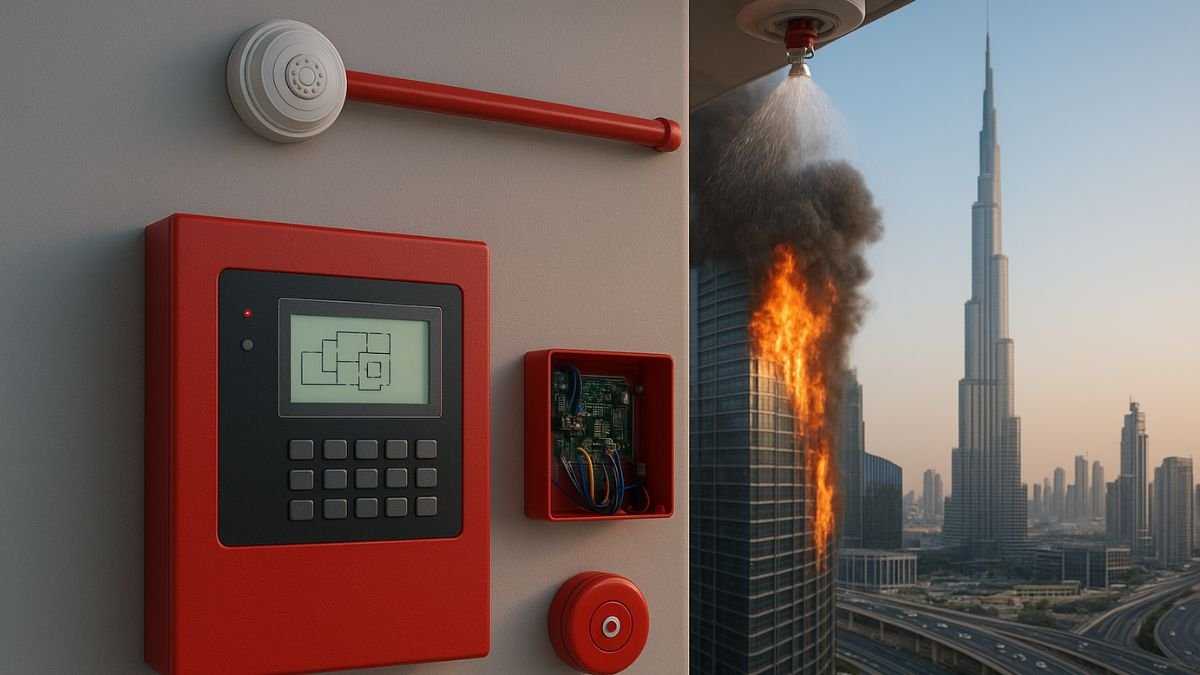
Integrating Fire Suppression with Detection: Creating a Unified Fire Safety Ecosystem
When a fire starts in a Dubai high-rise, every second counts. Traditional systems rely on humans to spot the fire, trigger alarms, and activate suppression — a chain that wastes critical time. Integrated fire safety systems eliminate that delay entirely.
Modern fire protection connects detection, suppression, and building management into one intelligent network. The moment sensors identify a threat, suppression activates automatically, ventilation responds, and emergency teams are notified — all without human intervention.
For Dubai’s complex infrastructure — from record-breaking towers to sensitive data centers — this level of coordination isn’t just smart, it’s essential. In this blog, we’ll explore how integrated fire safety systems work and why they’re becoming the standard under Dubai Civil Defence regulations.
How an Integrated Fire Safety Ecosystem Works
A unified fire safety ecosystem links all major systems — from fire alarms to sprinklers and ventilation — through a centralized command, often via a Building Management System (BMS). This setup allows instant communication between detection and suppression units, enabling a fast, automated, and intelligent response.
The process begins with early and intelligent detection. Advanced wireless fire alarm systems equipped with multi-sensor and algorithm-based technology can distinguish between smoke, steam, or dust — reducing false alarms that used to plague traditional setups. Once a genuine threat is confirmed, signals are instantly relayed to the central control unit, which triggers the most appropriate fire suppression system for that specific zone.
Suppression could mean anything from a water mist system in a hospital kitchen to a clean agent system in a data center or control room. At the same time, the system can manage the building’s airflow, unlock emergency exits, and notify both occupants and emergency responders in real time — ensuring a fully coordinated and compliant response.
Why Integration Matters in Dubai
In a city that houses everything from world-record skyscrapers to high-value data centers, fire safety must match the complexity of its infrastructure. Integration is not only about speed but also precision — a critical factor when even seconds can save millions.
Dubai Civil Defence (DCD) strongly encourages building owners to adopt connected systems that enable early action and efficient evacuation. Integrated fire protection supports Dubai’s smart city vision by using automation and IoT connectivity to reduce risks and human dependency.
For businesses, the benefits go beyond safety:
- Faster incident response reduces downtime and operational loss.
- Targeted suppression limits damage to sensitive assets.
- Seamless coordination helps in achieving DCD approvals faster.
- Smart monitoring improves long-term system reliability and maintenance efficiency.
This is where partnering with an experienced fire safety company in Dubai makes all the difference — ensuring that your systems are designed, installed, and integrated in line with both global and local safety standards.
Key Components of a Unified Fire Safety System
- Intelligent Detectors
Multi-sensor detectors combining smoke, heat, and gas sensors can detect fires at the earliest possible stage, reducing false positives and improving reliability. - Centralized Control and Communication
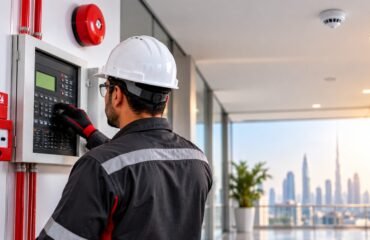
Addressable fire alarm panels and BMS platforms ensure that when an alarm is triggered, suppression systems, ventilation, lighting, and evacuation routes respond simultaneously. - Diverse Fire Suppression Systems
- Water mist systems use fine droplets to cool flames and limit damage — ideal for hospitals, hotels, and commercial properties.
- Clean agent systems such as FM200 or Novec 1230 protect sensitive environments like server rooms, archives, and museums without leaving residue.
- Aerosol suppression systems are perfect for compact spaces such as electrical panels, control cabinets, or engine rooms.
- IoT and Cloud Monitoring
Networked devices enable predictive maintenance, detect equipment faults before they escalate, and allow fire protection companies in Dubai to offer real-time remote monitoring for clients.
Challenges of Integration
While integration offers enormous benefits, it requires expertise and planning. Older buildings often use legacy systems that cannot easily communicate with modern IoT-based solutions. Upgrading to an integrated fire suppression system may require replacing outdated panels or re-engineering wiring.
There’s also a higher upfront investment — but this is balanced by reduced long-term costs, fewer false alarms, and improved operational resilience. For developers and property managers in Dubai, the return on safety, reliability, and compliance far outweighs the initial expense.
To ensure smooth implementation, work with a fire fighting company in Dubai that has certified engineers, experience with DCD processes, and a proven track record in system integration and testing.
The Future of Fire Safety in Dubai
The UAE’s commitment to becoming a global leader in smart, sustainable infrastructure means that intelligent fire safety systems are now essential, not optional. Integration is the future — connecting everything from wireless fire alarm systems to fire suppression systems into one cohesive network.
For businesses and developers, this is more than compliance; it’s a statement of trust, reliability, and modernity. A trusted fire safety company in Dubai can design integrated systems that not only meet DCD requirements but also align with the city’s sustainability and innovation goals.
Conclusion
In a city built on innovation, fire protection must evolve, too. Integrating fire detection with suppression creates a unified safety ecosystem that protects people, property, and reputation — while contributing to Dubai’s smart city vision.
Whether your facility needs a water mist system, a clean agent installation, or a full-scale fire suppression system integrated with your BMS, partnering with certified professionals ensures you stay ahead of risks and regulations.
Because in Dubai, safety isn’t just about reacting to fire — it’s about being ready before it starts.