A fire alarm system is designed to provide an early warning when a potential fire is detected. But installing the system is only the beginning. Like any safety-critical system, fire alarms require regular inspection, testing and maintenance to remain reliable over time.
In Dubai, buildings operate in demanding conditions where dust, heat, construction activity, electrical changes and building modifications can affect fire safety equipment. A detector that becomes contaminated, a deteriorating backup battery, a damaged connection or an unresolved panel fault may not always be obvious during normal building operations.
This is why a planned fire alarm AMC in Dubai is an important part of maintaining fire safety readiness. Regular maintenance helps identify developing problems, verify system functionality and ensure that faults are addressed before they become more serious.
Why Regular Fire Alarm Maintenance Matters
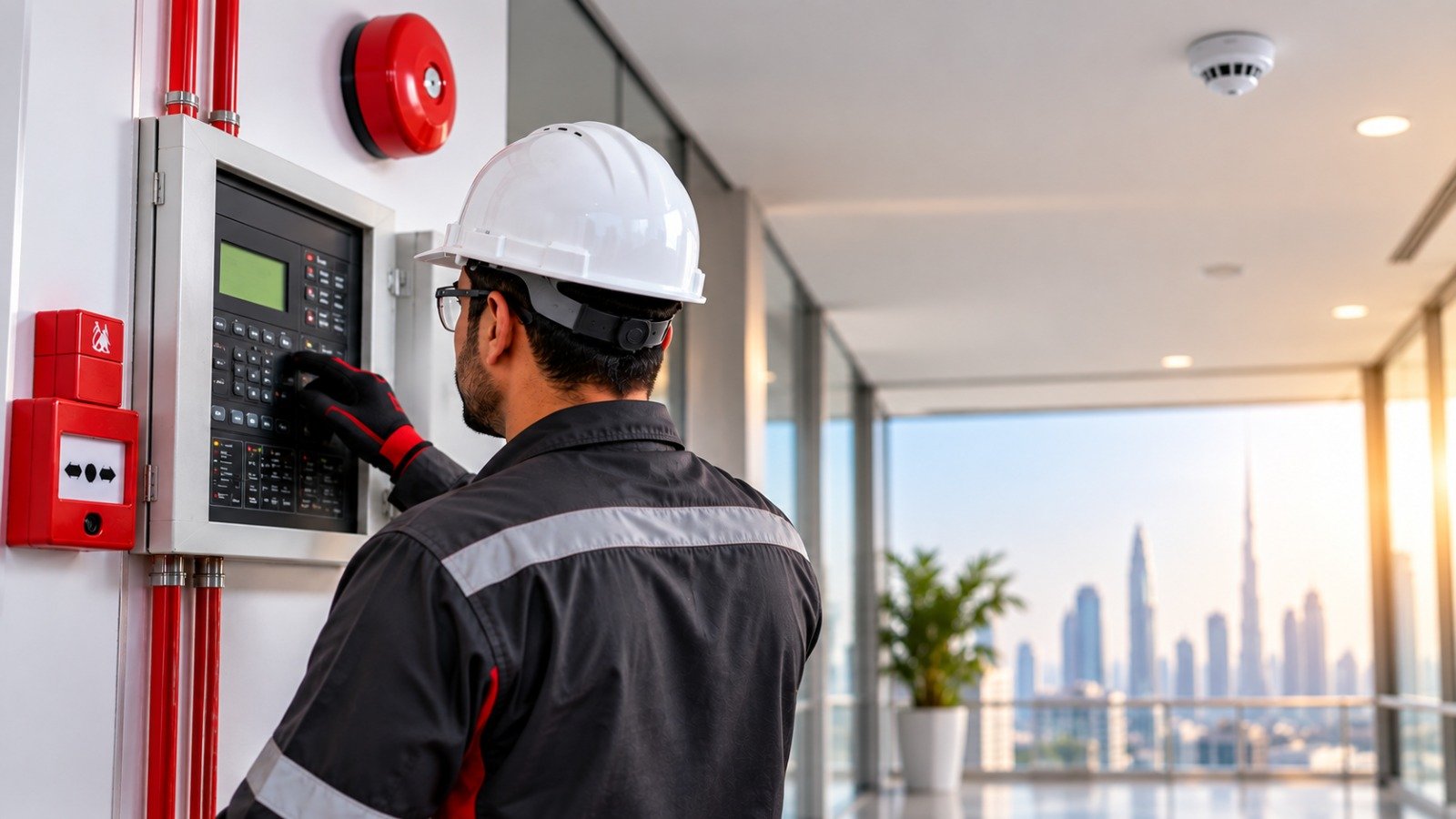
A fire alarm system is made up of many interconnected components. Depending on the building and system design, these can include smoke and heat detectors, manual call points, fire alarm control panels, sounders, visual indicators, batteries, monitoring interfaces and other life-safety devices.
The system needs to work as a complete chain.
If one component develops a fault, the impact may extend beyond that individual device. For example, a communication problem can affect signals between devices and the control panel, while a problem with notification equipment could affect how occupants are alerted.
Regular fire alarm maintenance in Dubai provides an opportunity to inspect these components, test their operation and identify issues that may otherwise remain unnoticed.
What Can Go Wrong Without Regular Maintenance?
Fire alarm problems do not always occur suddenly. Many develop gradually because of environmental conditions, component ageing, accidental damage or changes within the building.
Detector Contamination
Smoke detectors can accumulate dust and other particles over time. Depending on the environment and detector type, contamination may affect performance or contribute to unwanted alarms.
Regular inspection can help identify detectors that require cleaning, servicing or replacement.
Battery and Power Problems
Backup power is an important part of fire alarm system resilience. Batteries can deteriorate with age and usage, reducing their ability to provide the required backup.
During maintenance, batteries and associated power arrangements can be checked to identify signs of deterioration or other issues.
Wiring and Communication Faults
Fire alarm systems rely on electrical circuits and communication pathways to connect field devices with the control panel.
Loose connections, damaged cables, circuit faults or communication problems can affect system performance. Professional testing and diagnostics can help identify these conditions and determine the appropriate corrective action.
Faulty Notification Devices
Detecting a fire is only part of the safety process. Occupants also need to receive an appropriate warning.
Sounders, visual alarm devices and voice evacuation systems should therefore be included in relevant testing procedures to verify that notification equipment is functioning as intended.
Repeated Unwanted Alarms
Frequent unwanted alarms can disrupt building operations and may lead occupants to become less responsive to alarm signals.
Rather than repeatedly resetting the system, maintenance teams should investigate recurring alarm conditions and identify their underlying causes. Depending on the situation, the issue may involve detector contamination, environmental conditions, equipment faults or other system-related factors.
Fire Alarm Maintenance Should Test the Complete Safety Chain
An effective maintenance programme should not focus only on individual detectors.
When a detector identifies a potential fire condition, the signal needs to reach the appropriate control equipment, activate the required notification devices and, where applicable, communicate with an external monitoring arrangement.
Testing this complete chain gives facility teams greater visibility into the actual condition of the fire alarm system.
This is particularly important in larger commercial and industrial buildings where fire alarm systems may be integrated with other life-safety or building systems.
The Role of Hassantuk in UAE Fire Safety
For applicable buildings, fire and life-safety monitoring may also involve Hassantuk, the UAE Ministry of Interior’s building safety monitoring programme.
Hassantuk connects participating properties to an Alarm Receiving Centre through Alarm Transmission Equipment. The Ministry of Interior explains that the system receives fire, life-safety and maintenance-related alarm signals, while verified emergency alarms can be reported to the relevant emergency services.
This makes reliable local fire alarm operation and communication particularly important.
Dubai Civil Defence also has technical requirements for life-safety alarm monitoring, including 24/7 monitoring arrangements for applicable systems.
However, monitoring requirements can vary depending on the building, system category and applicable authority requirements. Maintenance should therefore follow the approved system design, manufacturer recommendations and relevant regulatory requirements.
What Should a Fire Alarm AMC Include?
A professional fire alarm AMC in Dubai should provide more than a basic visual inspection.
The exact scope depends on the building, system type, approved design and applicable requirements, but a structured maintenance programme can include:
- Inspection of fire alarm devices
- Functional testing of detectors
- Testing of manual call points
- Testing of sounders and visual notification devices
- Fire alarm control panel inspection
- Backup battery checks
- Fault identification and diagnostics
- Alarm and cause-and-effect testing
- Communication and monitoring checks where applicable
- Cleaning or servicing of relevant components
- Fault rectification
- Replacement recommendations for defective equipment
- Maintenance reports and service documentation
- Support with compliance-related documentation
- Assistance with Civil Defence inspection readiness
The purpose is not simply to confirm that equipment is present. It is to establish whether the system is operating correctly and whether any issues require attention.
Why Building Changes Make Maintenance More Important
A fire alarm system is designed around a particular building layout and use. But buildings frequently change.
Office partitions may be moved. New rooms may be created. Warehouses may change their storage arrangements. Equipment may be installed. Areas may be renovated or repurposed.
These changes can affect how fire detection and alarm systems need to operate.
For example, a detector positioned appropriately for the original layout may require reassessment after significant alterations. Similarly, changes in occupancy or building use may create new fire safety considerations.
Regular inspections provide an opportunity to identify these changes and determine whether the existing fire alarm arrangement requires further assessment or modification.
This is especially relevant to commercial fire safety, industrial facilities, warehouses, residential developments and other properties where layouts and operational requirements can evolve over time.
How to Select the Right Fire Safety Maintenance Partner
The quality of maintenance depends heavily on the competence of the service provider.
When evaluating fire fighting companies in Dubai, facility managers should look beyond the basic service price and consider the contractor’s technical capability, response arrangements, documentation and understanding of applicable requirements.
Technical Experience
The maintenance team should understand the type of fire alarm system installed at the property, whether it is conventional, addressable, wireless or another configuration.
Testing Capability
Maintenance should involve appropriate functional testing and diagnostics rather than simply checking whether the control panel appears normal.
Fault Rectification
A good maintenance process should identify faults clearly and provide appropriate corrective action instead of leaving recurring problems unresolved.
Compliance Knowledge
The contractor should understand applicable Dubai Civil Defence requirements, approved system documentation and relevant fire safety standards.
The UAE Fire and Life Safety Code remains an important reference for fire and life-safety requirements, while specific system requirements can also depend on the building type and approved design.
Documentation
Inspection findings, faults, corrective actions and recommendations should be properly documented. Good records can help facility teams track recurring problems and understand the condition of their fire safety assets over time.
Response Capability
Fire safety systems can develop faults outside normal service schedules. Having access to appropriate technical support can help facilities address critical issues without unnecessary delays.
Preventive Maintenance Is an Investment in Readiness
The value of fire alarm maintenance is often easiest to understand before an emergency occurs.
Identifying a weak battery before it fails, correcting a communication fault before it affects monitoring, or addressing a contaminated detector before it causes operational problems can help maintain system readiness.
Preventive maintenance also gives facility managers better visibility into the condition of their fire protection assets. Instead of waiting for equipment to fail, they can identify ageing components, recurring faults and potential maintenance requirements through a structured process.
For larger facilities and multi-site operations, consistent maintenance records can also help teams track system performance and plan corrective work more effectively.
Conclusion
Regular fire alarm system maintenance is not simply a routine service—it is an important part of maintaining fire safety readiness, system reliability and compliance.
In Dubai’s demanding building environment, factors such as dust, component ageing, wiring faults, equipment damage and building modifications can affect fire alarm performance if they are not identified and addressed appropriately.
A structured fire alarm AMC in Dubai helps property owners and facility teams take a preventive approach to fire safety. Regular inspection, testing, diagnostics, fault rectification and documentation can help keep fire detection and alarm systems prepared to perform when they are needed.
The right maintenance partner also makes a difference. Experienced fire fighting companies in Dubai can support facilities with technical maintenance, corrective action, documentation and broader fire protection requirements.