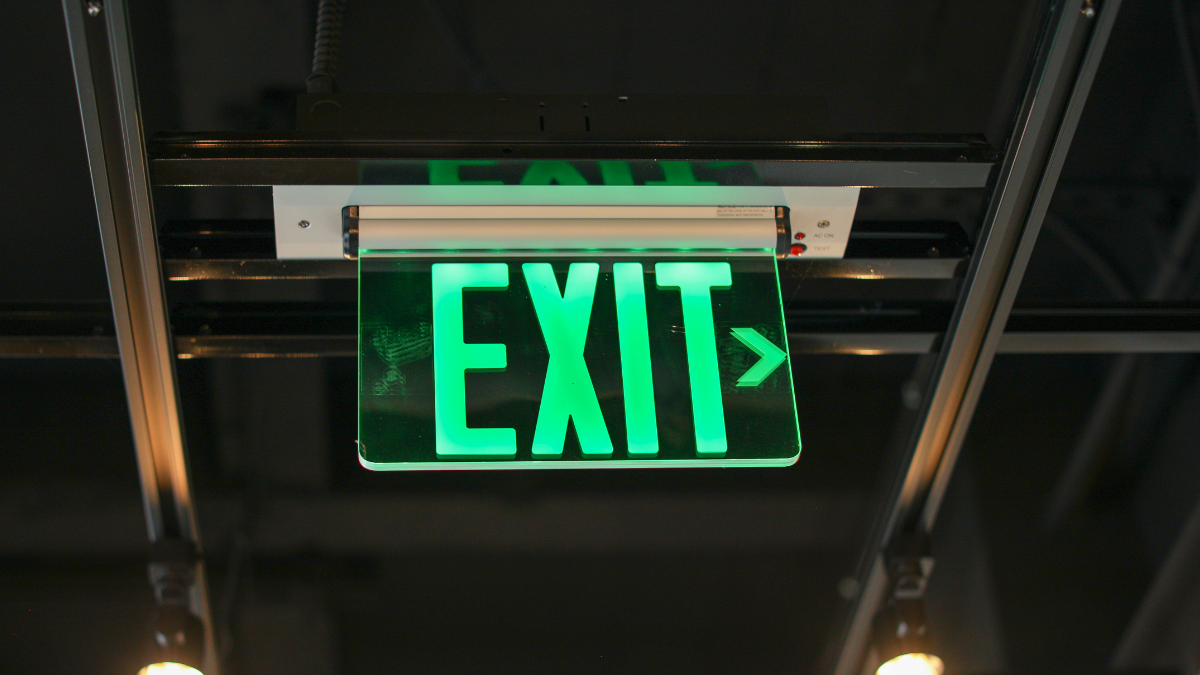
UAE Fire Safety Compliance in 2025: Exit Lighting, Signage & System Testing Explained
Fire safety has always been taken seriously in the UAE, but 2025 brings some pretty significant updates to the standards—especially around emergency exit lighting, evacuation signage, and how often systems need testing. This isn’t just about sticking up a few exit signs anymore. The new requirements focus on making sure every single component actually works when it needs to, supports safe evacuation, and meets what the UAE Fire & Life Safety Code now demands.
Managing a commercial tower? Industrial facility? School, warehouse, or retail space? This guide breaks down what you actually need to know about exit lighting rules, signage regulations, testing schedules, and staying on the right side of compliance. Think of it as a straightforward reference based on what industry standards require and what leading fire and safety companies in Dubai are already implementing.
Why Exit Lighting & Signage Matter More Now
When fire breaks out, visibility can drop to nearly zero within seconds. Smoke fills corridors, power cuts out, and panic sets in fast. Even a few extra seconds spent looking for an exit can make a dangerous difference. The updated 2025 standards push for stronger illumination, better visibility consistency, and clearer wayfinding so people can actually move safely—even when they can barely see.
The whole point boils down to this: clear direction, continuous visibility, and no confusion when things go wrong.
1. Emergency Exit Lighting Requirements (What’s Changed for 2025)
The emergency exit lighting system has to kick in immediately when the main power fails. Everyone knows that part. But the new UAE standards get specific about brightness levels, where lights go, and how long backup power needs to last.
Minimum Brightness (Lux Levels)
According to the UAE Fire & Life Safety Code:
- Escape routes need at least 10.8 lux maintained throughout
- Lighting has to be uniform—no dark patches or uneven spots that could confuse people
Backup Duration
All emergency exit lights must run continuously for at least three hours on backup power. That gives enough time for full evacuation and firefighting operations without anyone getting stuck in the dark.
Where Emergency Lights Must Be Installed
You’ll need them at:
- Exit doors (obviously)
- Escape corridors and staircases
- Outdoor exit pathways
- Refuge floors
- Assembly points
- High-risk or equipment rooms like control rooms, plant rooms, server rooms
Photoluminescent Path Markers
High-rise buildings need extra low-level guidance on:
- Handrails
- Stair edges
- Floor skirting
Why? Because when smoke rises and blocks overhead lighting, these markers stay visible and help people find their way even when crawling low.
2. Exit & Wayfinding Signage: What the Law Actually Requires in 2025
Exit signage isn’t optional—it’s a mandatory Civil Defence requirement. The updated guidelines get particular about visibility, consistent placement, and proper illumination.
Placement Requirements
- Signage must be visible from every point along escape routes
- Signs need to be either internally illuminated or evenly lit from outside
- They must stay illuminated for three hours during a power failure
Floor Proximity Signage (This One’s New)
Civil Defence now requires additional low-mounted signs placed between 150 mm to 455 mm above the floor. Makes sense when you think about it—people might need to crawl under smoke layers during evacuation, so they need signs they can actually see from down there.
Types of Signage Required
You’ll need:
- Standard EXIT signs
- Running-man directional signs
- “No Exit” or restricted area signs
- Staircase identification
- Refuge area markings
- Assembly point signs
Getting the layout right usually means working with experienced fire fighting companies in Dubai who know how to place everything according to Civil Defence requirements.
3. Testing, Inspection & Maintenance: What Buildings Have to Do in 2025
Here’s the thing about compliance—it doesn’t stop once you install everything. The UAE Fire & Life Safety Code requires regular inspections, scheduled testing, and proper documentation to prove systems stay operational.
Monthly Testing Requirements
- Functional check of each emergency light
- Visual inspection for damage or dimming
- Battery status and charging verification
Quarterly Testing Requirements
- 30-minute discharge test
- Lux measurement to confirm brightness stays consistent
- Cleaning of fixtures, lenses and signage surfaces
Annual Full Discharge Test
This is the big one:
- Full 3-hour backup test for every unit
- Verification that photoluminescent markers still work
- Replacement of any non-functional or weak units
- Documentation updates for Civil Defence review
Mandatory AMC
Every building needs an Annual Maintenance Contract with a DCD-approved entity. This covers:
- Proper testing logs
- Compliance certificates
- Scheduled inspections
- Civil Defence audit readiness
Most trusted fire protection companies in Dubai offer AMC support to help buildings meet all these updated requirements without falling behind.
4. Smart Compliance in 2025: IoT, Monitoring & Automation
The UAE is pushing buildings toward modern monitoring tools that improve safety and cut down on manual checking. These aren’t mandatory for every facility yet, but they make a noticeable difference in reliability.
Recommended Smart Tools
- IoT-enabled emergency lighting monitoring
- Remote system dashboards
- Automated fault notifications
- Predictive maintenance alerts
These fit with the region’s broader move toward modern fire suppression systems and smarter infrastructure overall.
5. High-Rise Building Compliance: What’s Different for 2025
High-rise buildings face unique challenges during evacuation, so the Fire Code adds extra requirements:
Required Safety Elements
- Pressurised staircases
- Refuge areas every 20–25 floors
- Smoke control and extraction systems
- Fireman’s lift with proper signage
- Illuminated and visible floor numbering
- Photoluminescent stair and handrail guidance strips
These standards help create safer exit pathways even when smoke severely limits visibility.
6. Penalties for Non-Compliance in 2025
Civil Defence doesn’t mess around with enforcement anymore. Getting caught with violations like:
- Unlit or faded exit signs
- Non-functional emergency lights
- Missing floor-level signage
- No AMC with a certified company
- Missing inspection reports
…can hit you with penalties from AED 5,000 to AED 50,000, depending on how serious the violation is. Major failures might even get you a temporary closure notice until everything’s fixed and compliant again.
Final Thoughts
Fire safety compliance in 2025 has gotten more detailed and more technical than before. Exit lighting, wayfinding signage, and systematic testing aren’t just boxes to check—they’re life-saving systems that absolutely have to work when emergencies happen.
Staying on top of regular maintenance, keeping documentation current, and working with an experienced fire and safety company in Dubai helps ensure buildings stay fully compliant, safe, and ready when Civil Defence comes knocking for inspections.
For long-term safety and peace of mind, connecting with a trusted firefighting company in Dubai or one of the established fire protection companies in Dubai makes sense. They can design, maintain, and update systems in line with the latest UAE standards, so you’re not scrambling to catch up later.